Vedanta Guru

A Unified Vedantic Platform from Ramakrishna Math & Mission

Om

Vedanta Guru

A Unified Vedantic Platform from Ramakrishna Math & Mission

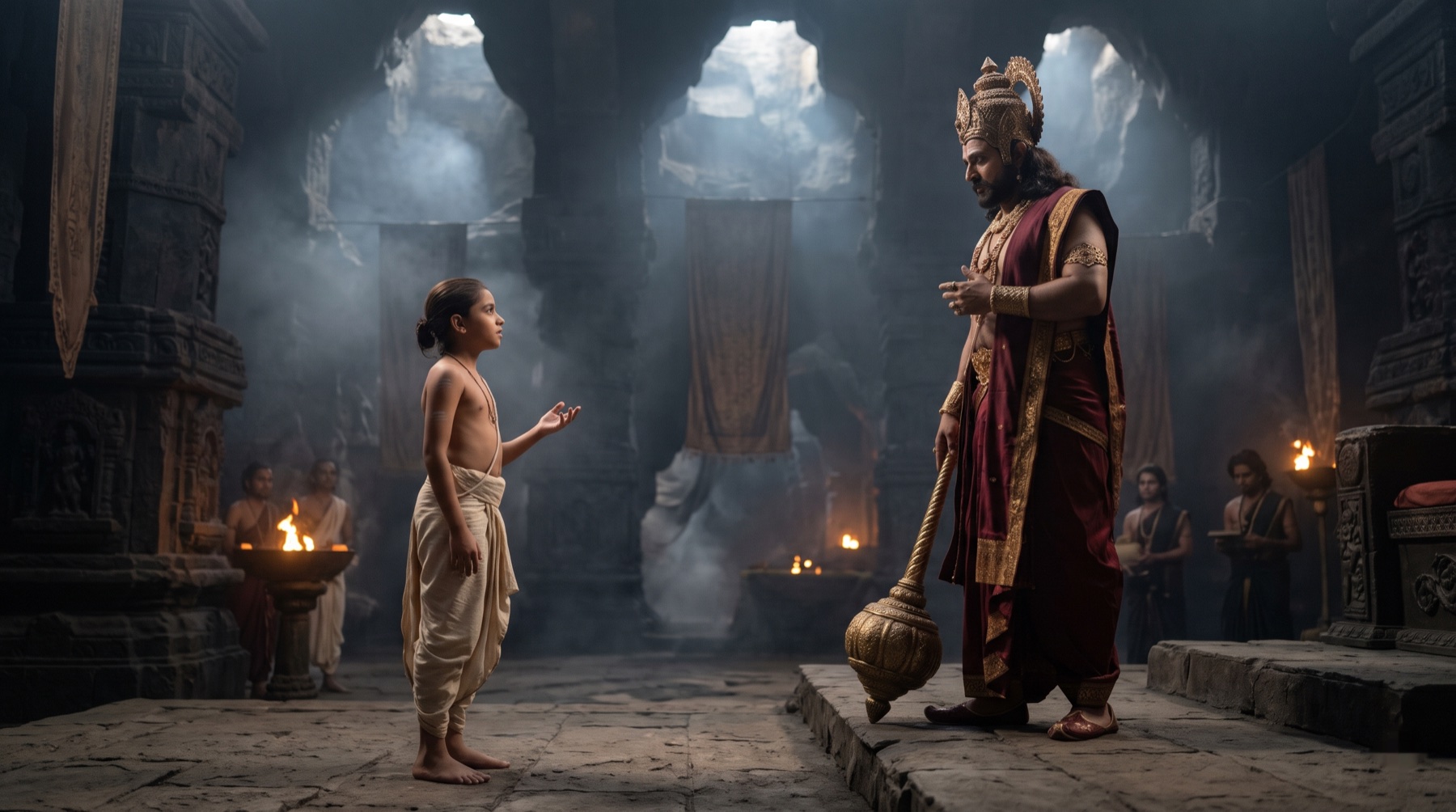
A swami in conversation with young men, the sea beyond the window

Therefore, young men … raise once more that mighty banner of Advaita, for on no other ground can you have that wonderful love until you see that the same Lord is present everywhere. Unfurl that banner of love! “Arise, awake, and stop not till the goal is reached.”

— Swami Vivekananda, Complete Works 3.5.24

दुर्लभं त्रयमेवैतद्देवानुग्रहहेतुकम् । मनुष्यत्वं मुमुक्षुत्वं महापुरुषसंश्रयः ॥

There are three things which are rare indeed and are due to the grace of God – namely, a human birth, the longing for Liberation, and the protecting care of a perfected sage.

— Vivekachudamani 3, Sri Shankaracharya

Carry the light and the life of the Vedanta to every door, and rouse up the divinity that is hidden within every soul.

— Swami Vivekananda, Complete Works 3.4.8

गुरुचरणाम्बुजनिर्भरभक्तः संसारादचिराद्भव मुक्तः । सेन्द्रियमानसनियमादेवं द्रक्ष्यसि निजहृदयस्थं देवम् ॥

Being devoted completely to the lotus-feet of the Master, become released soon from the transmigratory process. Thus, through the discipline of sense and mind-control, you will behold the Deity that resides in your heart.

— Bhaja Govindam 31, Sri Shankaracharya

The … abstract Advaita must become living — poetic — in everyday life … and all this must be put in a form so that a child may grasp it. That is my life’s work.

— Swami Vivekananda

Vedanta

Introduction to Vedanta

Vedanta According to Vivekananda

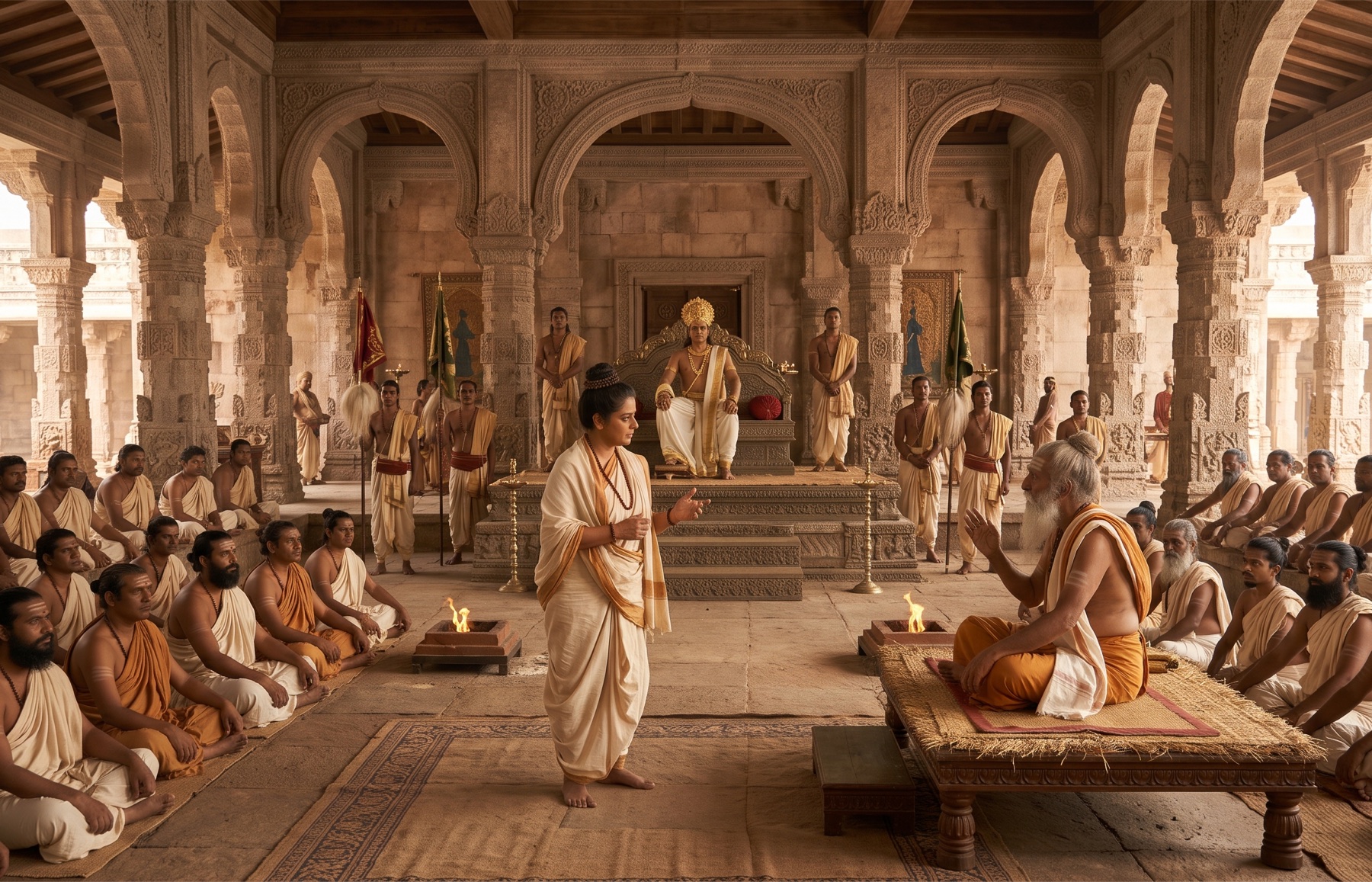
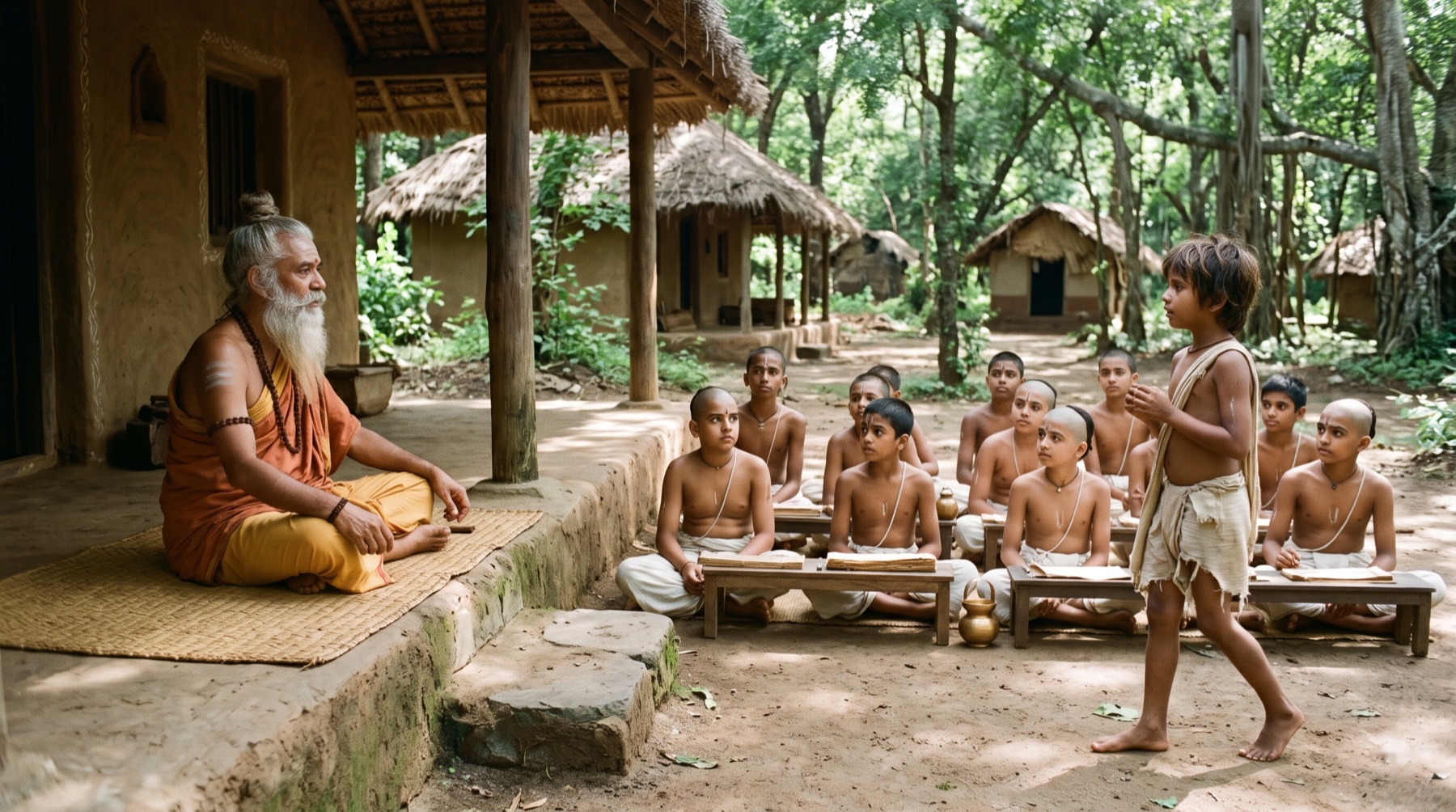
A teacher explaining the Shvetashvatara Upanishad ("Hear, ye children of immortal bliss") to students in white, the river beyond the window

The Vedas teach that the soul is divine, only held in the bondage of matter; perfection will be reached when this bond will burst, and the word they use for it is, therefore, Mukti — freedom, freedom from the bonds of imperfection, freedom from death and misery.

But by the Vedas no books are meant. They mean the accumulated treasury of spiritual laws discovered by different persons in different times.

The essence of the knowledge of the Vedas was called by the name Vedanta, which comprises the Upanishads.

— Swami Vivekananda, Paper on Hinduism, read at the Parliament of Religions, 19 September 1893

Read More

Vedanta According to Swami Ranganathananda

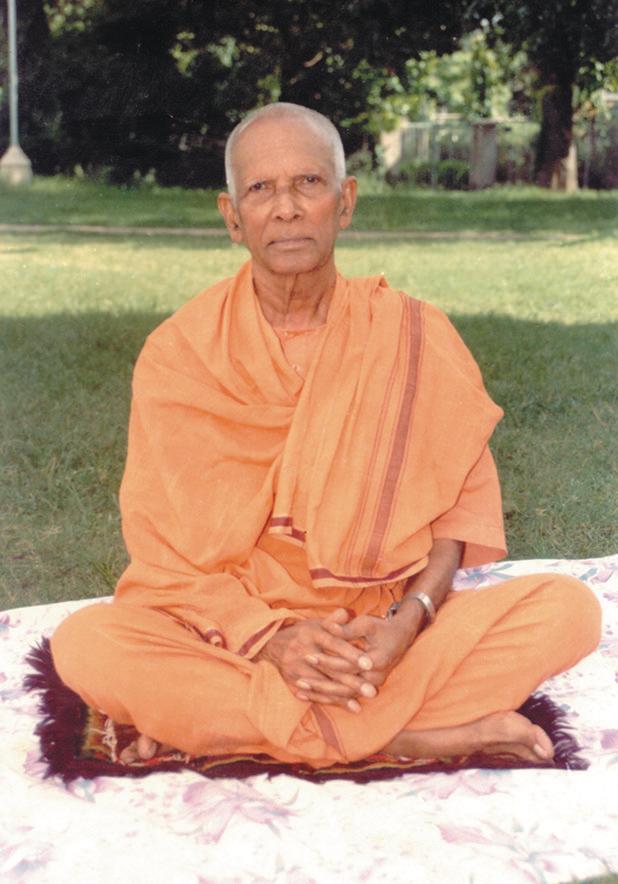
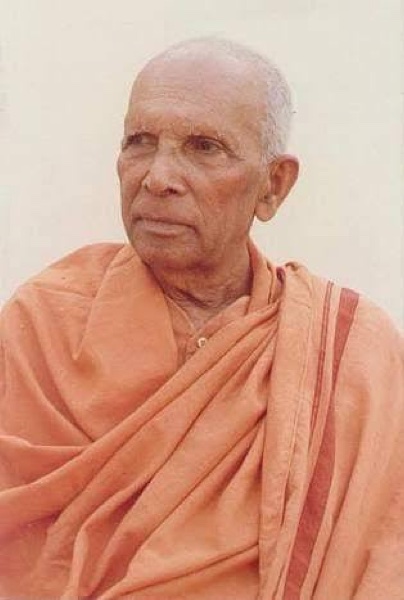
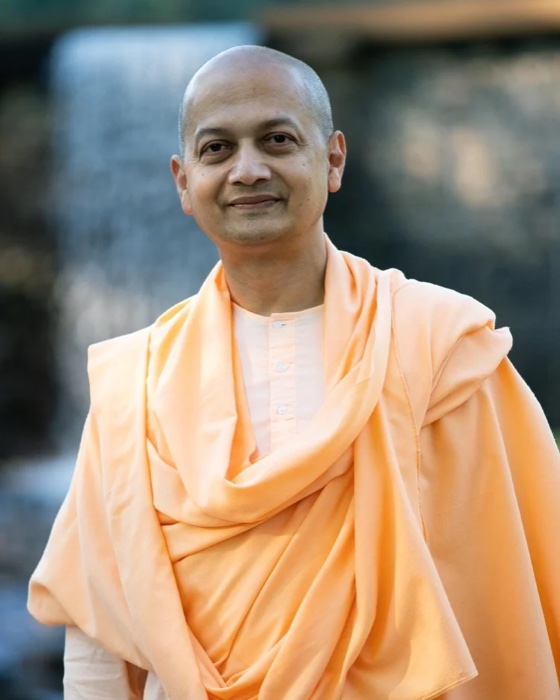
Swami Ranganathananda seated cross-legged on a mat on a lawn, in ochre robes

Religion, according to Vedānta, is supersensual knowledge; it is not supernatural, but only supersensual.

— Swami Ranganathananda, The Message of the Upaniṣads

Read More
Introduction to Vedanta

Concepts of Vedanta

Vedantic Inspirations

Lessons from Vedanta

Read More Lessons
Vedantic Inspirations

Anecdotes

Read More Anecdotes
Vedantic Inspirations
Vedanta in Practice

Bring Vedanta into everyday life

The Vedanta, therefore, as a religion must be intensely practical. We must be able to carry it out in every part of our lives. And not only this, the fictitious differentiation between religion and the life of the world must vanish, for the Vedanta teaches oneness—one life throughout. The ideals of religion must cover the whole field of life, they must enter into all our thoughts, and more and more into practice.

— Swami Vivekananda, Practical Vedanta, delivered in London, 10 November 1896

Begin your practice
Vedanta in Practice

Ask, Play and Learn

A swami in conversation with young men, the sea beyond the window

Ask and AWAKE

Profound Answers from Monks on the Vedantic Path

What is the ideal of Vedanta?

The ideal aimed at in Vedanta is to attain to a state that is beyond all birth and death, from which there is no falling off, a state of freedom. Freedom or liberation can come only by dissociating ourselves from our body and mind, in other words, from our false personalities. Absolute detachment from material objects is real freedom. Dependence on anything other than one's true Self is bondage and misery. The perfected soul depends on his Self alone, not on others, and enjoys the bliss of the Self. He is called an atmarama — one who revels in his Self.

— Swami Yatiswarananda

ATMANPBRAHMANANA

Play and Learn

Word and knowledge games grounded in Vedanta

  • Vordle — Guess the hidden Vedanta term in six tries
  • CrossVord — Fill the grid with Vedanta terms from their clues
  • V-Quiz — Answer quick Vedantic questions against the clock
  • V-Connect — Sort sixteen terms into four hidden groups

Learn as you play

Every game has a new Puzzle of the day, and each of the 25 Concepts of Vedanta has its own levels in all four games.

Publications & Media

Read Vedanta

Essential Books

A curated starting list of books on Vedanta

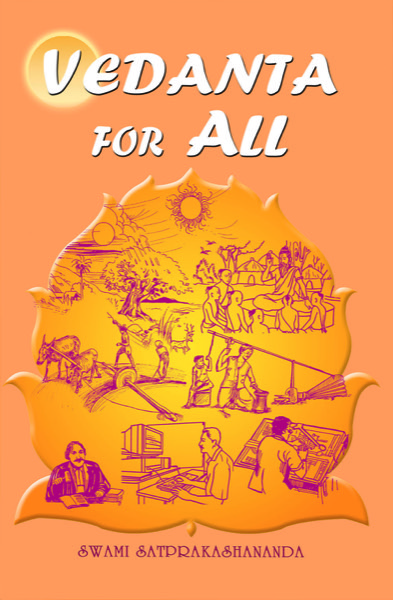
Vedanta for All by Swami Satprakashananda
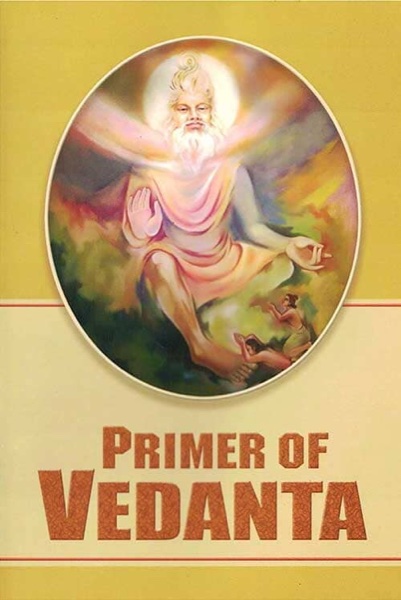
Primer of Vedanta
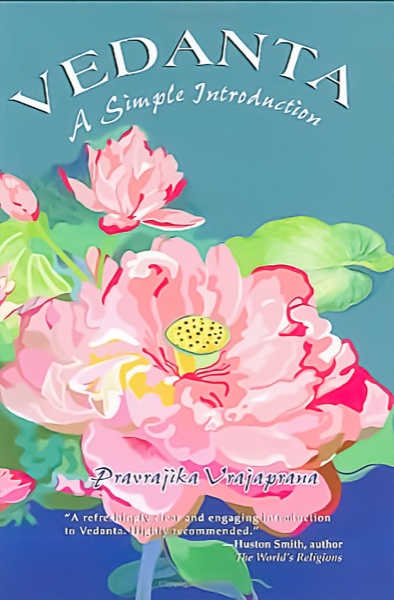
Vedanta: A Simple Introduction by Pravrajika Vrajaprana
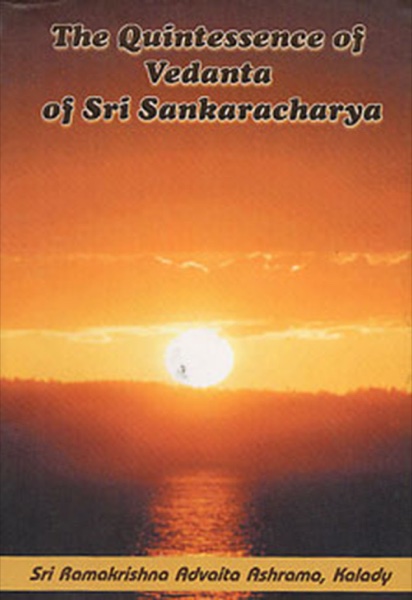
The Quintessence of Vedanta of Sri Sankaracharya, Sri Ramakrishna Advaita Ashrama, Kalady

Magazines

Journals on Vedanta from the Ramakrishna Order

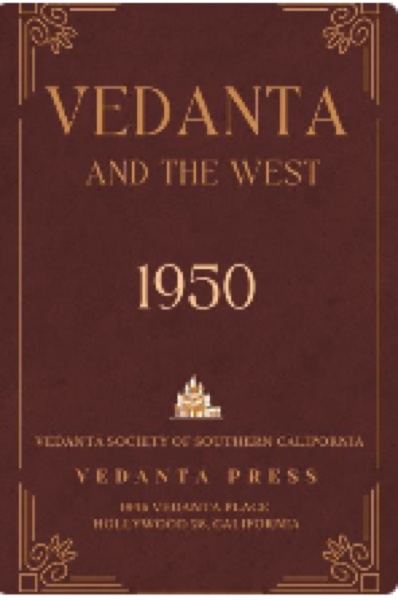
Vedanta and the West
Vedanta and the WestVedanta Society of Southern CaliforniaRead online
Vedanta (UK)
Vedanta (UK)Ramakrishna Vedanta Centre, UKRead online
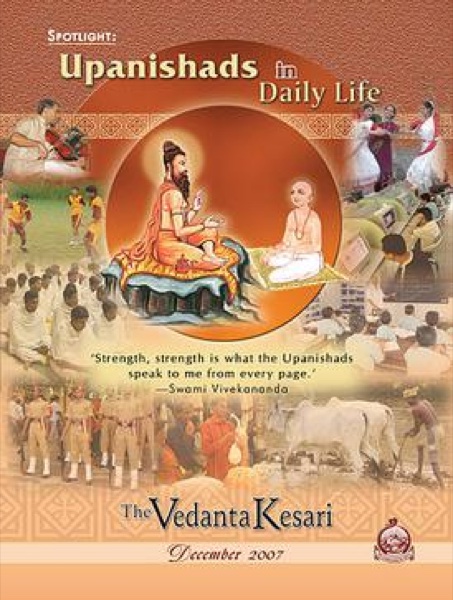
The Vedanta Kesari
The Vedanta KesariMonthly, Sri Ramakrishna Math, ChennaiRead online
Prabuddha Bharata
Prabuddha BharataMonthly, Advaita Ashrama, since 1896Read online
Global Vedanta
Global VedantaVedanta Society of Western WashingtonRead online
Publications & Media

Buy Books

Swami Ashokananda: eBooksSwami Ashokananda cover
Ascent to Spiritual Illumination
Dhyan, Anand Tatha Samadhi (Hindi)
The Influence of Indian Thought on the Thought of the West
Vedantic SelectionsSwami Ashokananda
“In order to be religious, what is essential is the development of a new power of perception, whereby we come to know the universe not as material and mental, but as spiritual. Intellect is not that power. Therefore intellectualism does not help us spiritually.”
From the book Spiritual Practice
Browse eBooks
Swami Ranganathananda: eBooksSwami Ranganathananda cover
Bhagavan Buddha and Our Heritage
Enlightened Citizenship and Our Democracy
Science and Religion
Spiritual Life of the Householder
Vedantic SelectionsSwami Ranganathananda
“Vedanta says: Do not stagnate. That is the only warning it gives to man; do not convert a wayside rest and sleep into death, but recoup and move on. Let the current of water flow; stagnant water is unhealthy; flowing water is pure and healthy.”
From the book The Message of the Upanishads
Browse eBooks
Swami Sarvapriyananda: eBooksSwami Sarvapriyananda cover
Mahavakya: The Essence of Vedanta
Fullness & Emptiness: Vedanta and Buddhism
Vedanta in Practice: Conversations
Dakshinamurti Stotram: Reflections
Vedantic SelectionsSwami Sarvapriyananda
“The good and the bad, the elevating and the demeaning, float past you in the stream of the mind. You are the consciousness sitting on the banks of the river of the mind watching.”
From the book Who Am I?
Browse eBooks
Publications & Media

Lectures on Vedanta

  • Acharyas of the Advaita Parampara & the Ramakrishna Order

Advaita Vedanta

Swami Sarvapriyananda · Vedanta Society of New York
Swami Sarvapriyananda · 2 lectures
Publications & Media

The sources of Vedanta

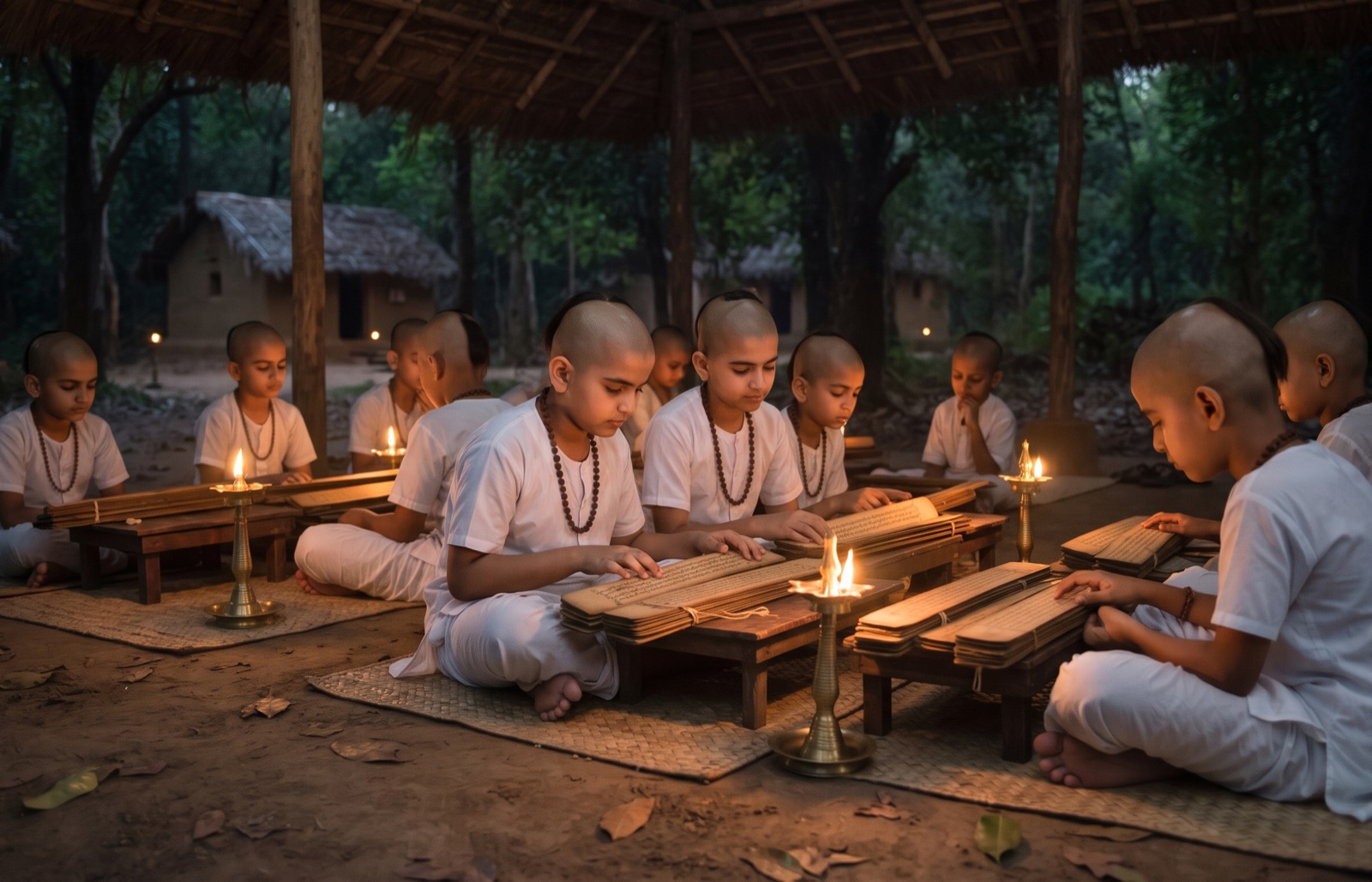
Young students studying palm-leaf manuscripts by lamplight in a forest gurukula
Living Vedanta

Visit and experience

Experience Vedanta

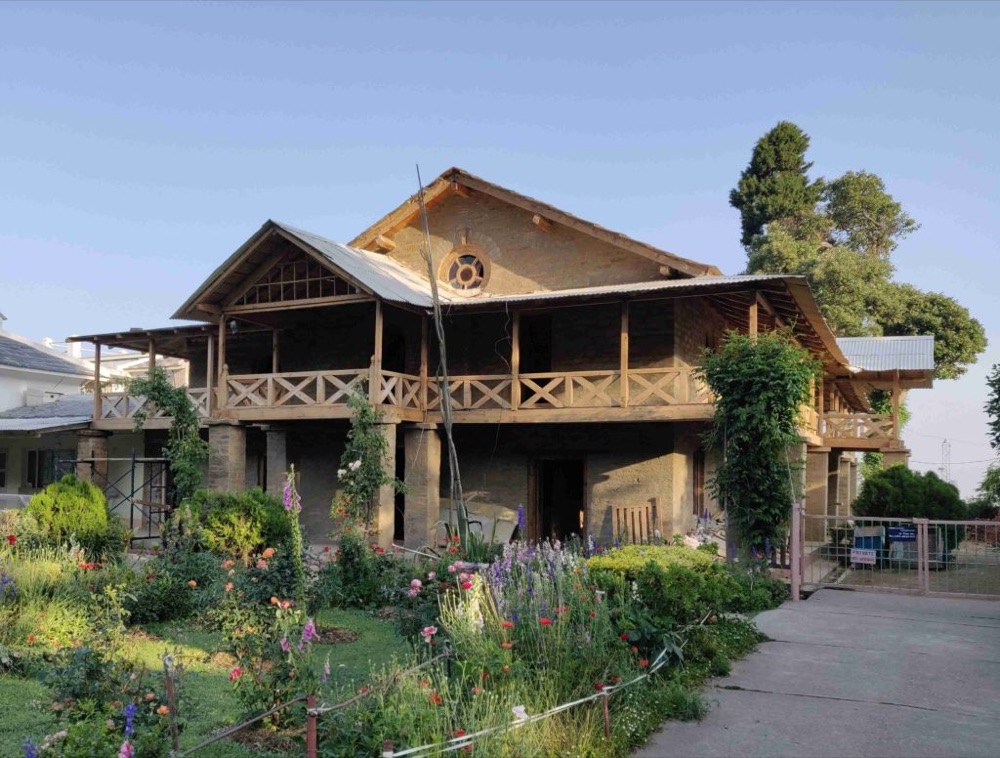
Immersive experiences such as “Arise, Awake: Discover Your Inner Strength” at Vivekananda House

Arise, Awake: Discover Your Inner StrengthArise, Awake: Discover Your Inner StrengthVivekananda House, Chennai

Experience RKMM Intelligence & Reality Platform

Fusion of Generative AI, 3D Spatial Reality, Indian Knowledge Systems