
Introducing the concept
Causality is the most obvious and seemingly indisputable fact of the world - we cannot function coherently as individuals and as societies if we do not assume causality to hold true. At the same time, on closer examination, it appears shaky and filled with questions.
Very simply put, causality is the principle that causes lead to effects; that there is a link between cause and effect; that effects cannot come into existence without a cause. Seems pretty straightforward, does it not?
For example, I throw a tennis ball to the wall, and it bounces back to me. The cause here is the throwing of the ball to the wall, the effect is the bounce back. Depending on various factors such as the speed and angle of my throw, the condition of the tennis ball, etc. (i.e. various causes), the speed and angle of the bounce back (i.e. the various effects) will vary. There is a very clear and predictable link between cause and effect.
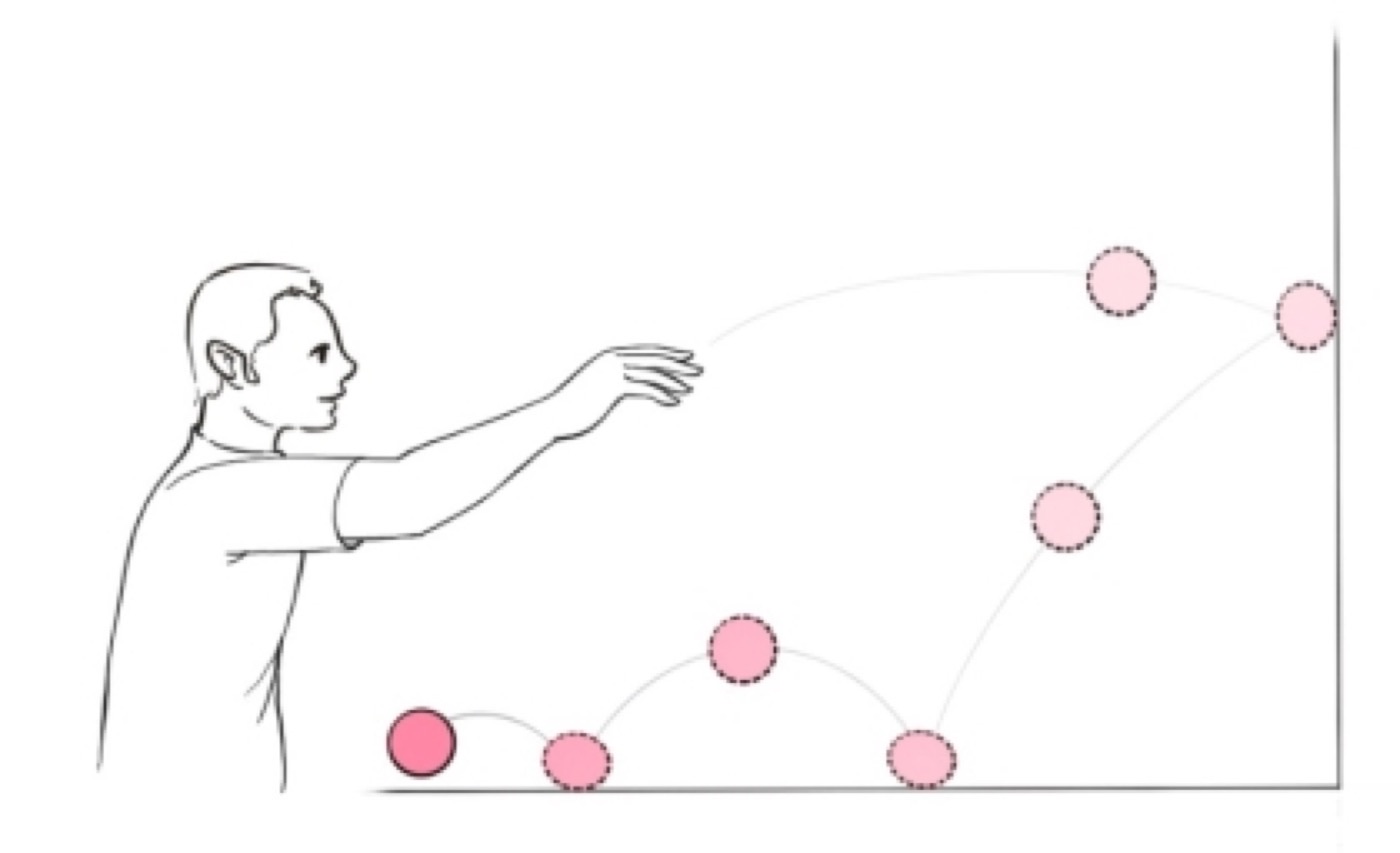
This applies all the way down to elementary particles and forces. There seems to be a connection between events; there seems to be an order and a pattern to the world. Causality is what gives us confidence that we can understand the world and construct theories - of science, of economics, of psychology - that we can use to plan our actions in the world. Without causality, will we not be left with complete chaos and randomness? The world certainly does seem to be structured in a way that indicates causality.
Causality is a topic of constant philosophical inquiry. In the modern era, about 300 years back, a probing attack on the assumption of causality was carried out by Scottish philosopher David Hume. Let us go back to our example of throwing a tennis ball against the wall. You threw the ball against the wall a hundred times, and it bounced back each time. But what gives you the confidence that it will bounce back again the next time you throw it? What if it gets stuck to the wall on the 101st throw? What if it goes through the wall?
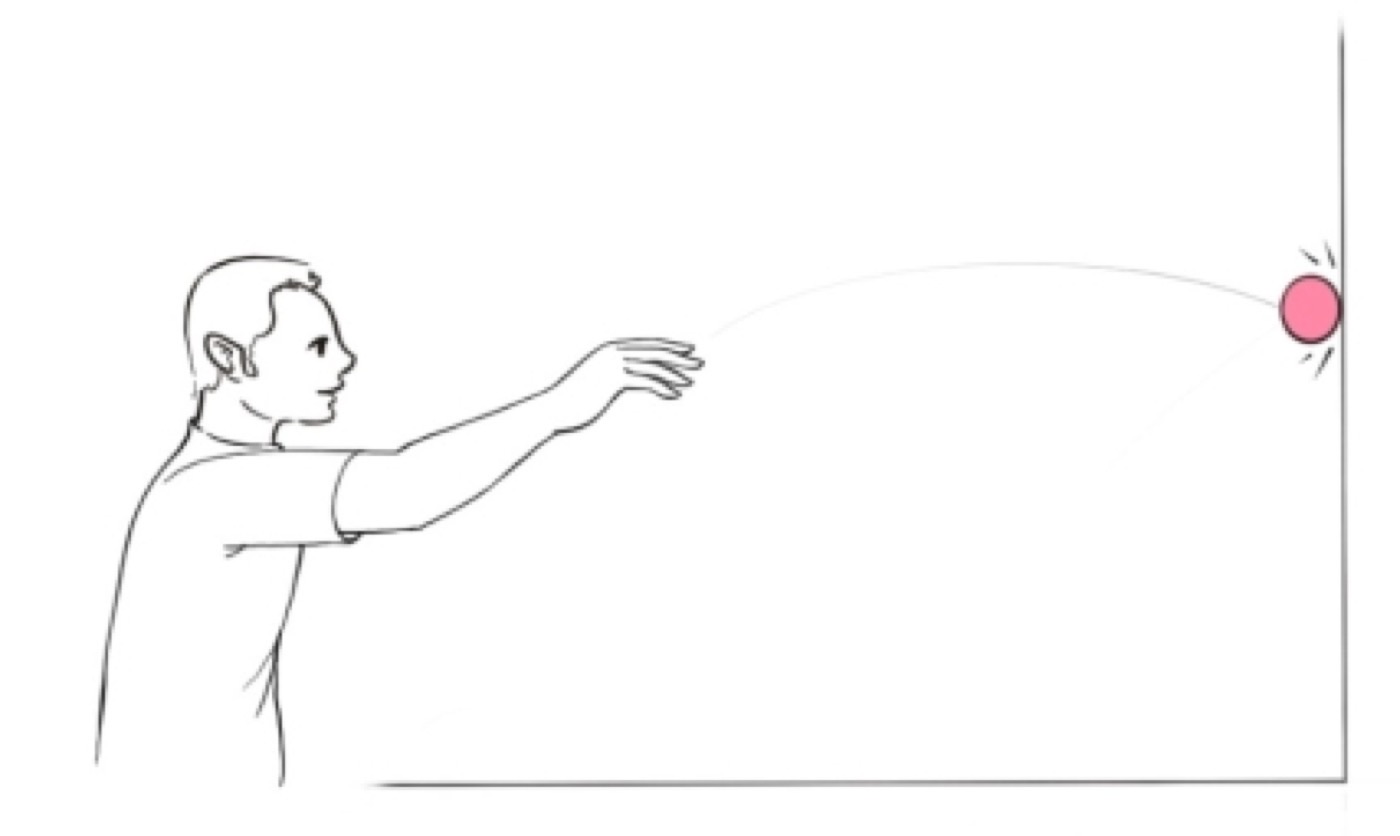
Your response might be - No it won’t, because there is a very clear causal connection between the throw and the bounce back. And this causal connection can be described in precise laws; the world works as per these laws. So when I throw the ball the 101st time, the law (which assumes causality) will result in a bounce back.
Hume’s response to this was to say that all the laws are doing is faithfully documenting the patterns that were observed in the first 100 throws. But what gives us the license to assume that this will hold in the 101st throw? More specifically, he asked the question - Where is the causal link between cause (throw) and effect (bounce back)? Can you point to this connection? If you can point to it (let us call this connecting fiber X), then where is the connection between the cause and X? Do you see where this is going?
What Hume did was to question the fundamental assumption of causality. Hume postulated that causality is not fundamentally real, but something we layer on to the world retrospectively, to provide structure to our observations; in other words causality is the narrative we create around our observations of the world, but we have no reason to believe that causality is real in itself.
If Hume is right, there would be severe implications for all human endeavors - whether science or spirituality. Without causality, how are we to go about our lives? This question was what roused Immanuel Kant to propose a philosophical structure that placed causality on a firm, transcendental footing. And modern Western philosophy was built on the structure that Kant laid out.
The point of this detour to Hume, though, is to indicate that causality is a concept that has puzzled philosophers down the ages. Let us, for now, stay with the assumption that causality is real. If every effect has a cause, then every thinking person will ask - What was the First Cause?
Going a little deeper
Cause is often categorized into material cause and efficient cause. The material cause of something is the material or the stuff out of which the effect is made. The efficient cause is the agent that shapes the transformation from cause to effect. For example, when a potter creates a pot from clay, the material cause is the clay and the efficient cause is the potter.
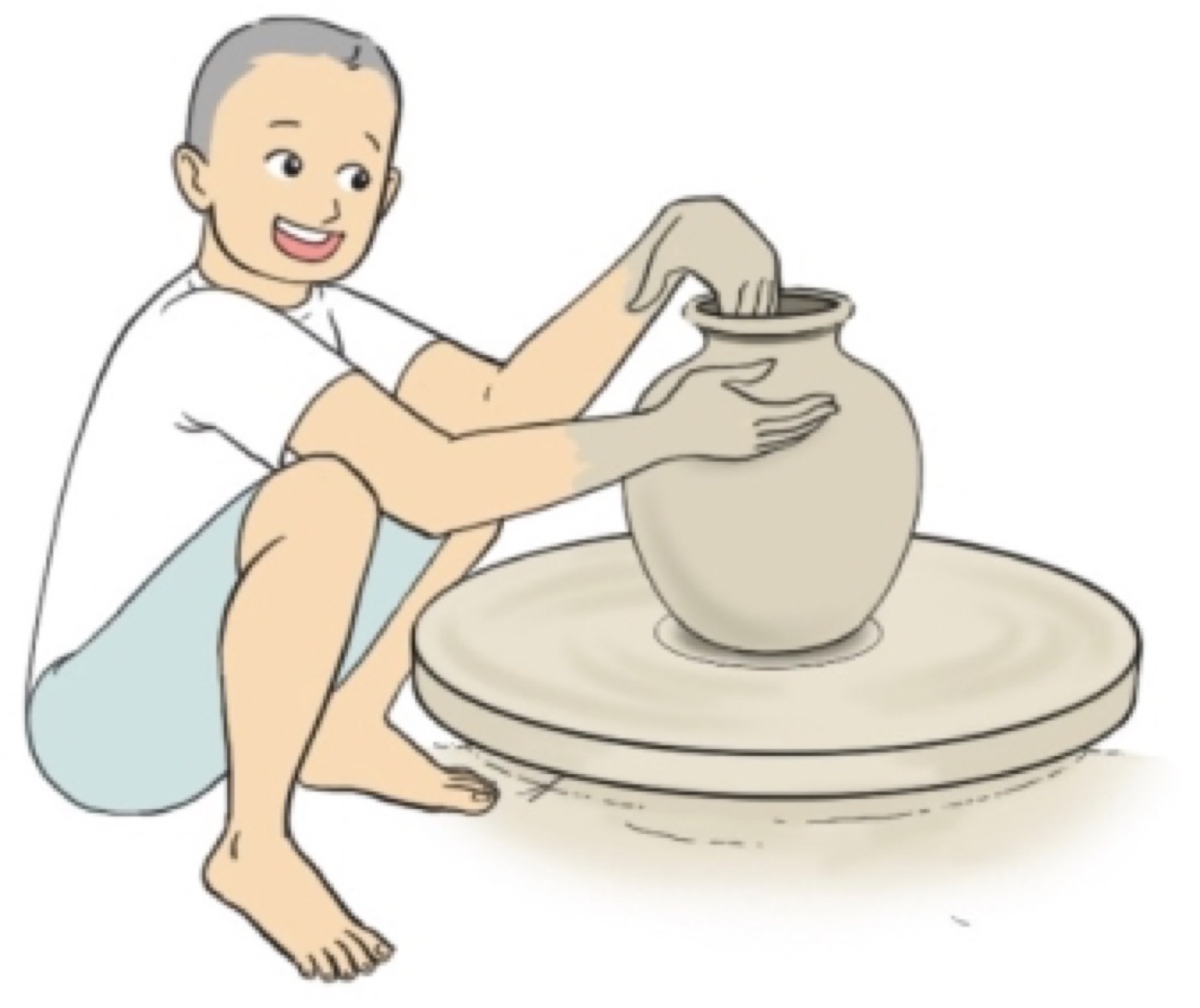
With these concepts in your pocket, let us ask a more subtle question -
Does the cause itself turn into the effect or does anything external enter into the material cause to turn it into the effect? Does clay turn into the pot or is there some external material that enters into clay to combine with it and turn into the pot? If some extra material was added to the material cause (i.e. the clay) to become the pot, then should that extra material not be included in the material cause as well?
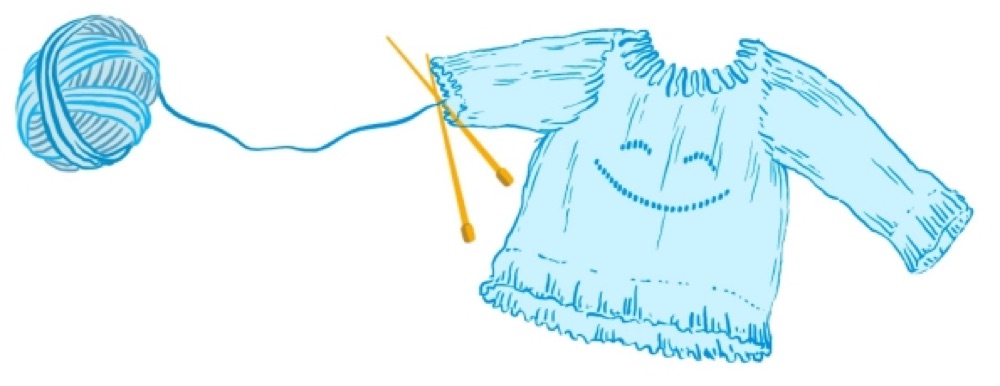
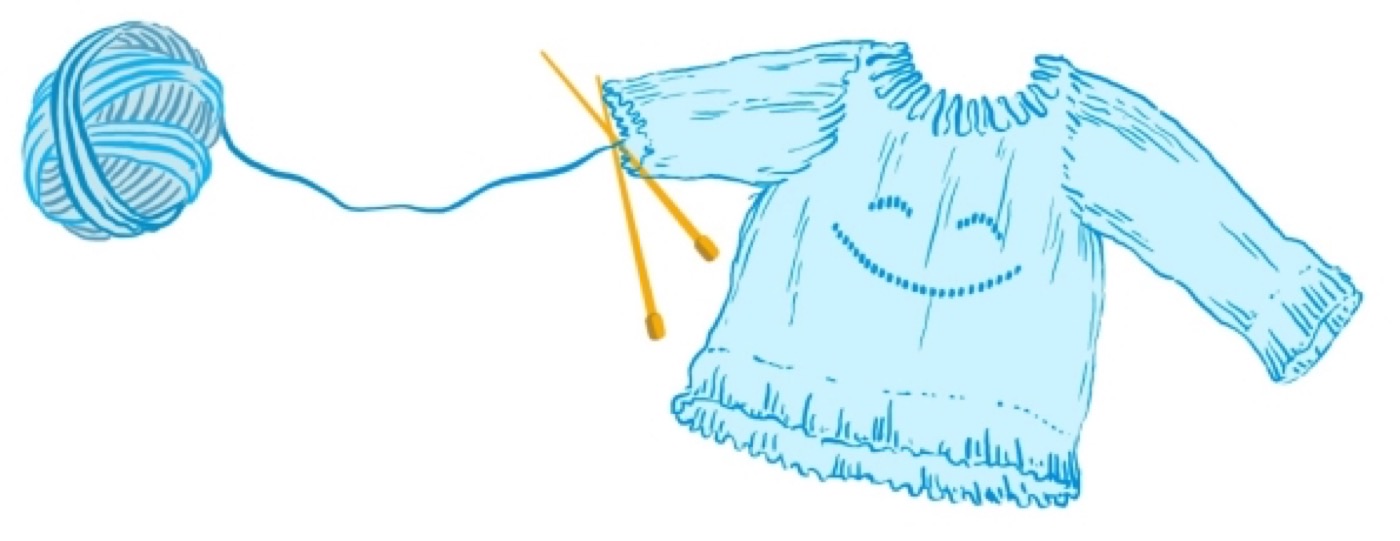
All schools of Vedanta say that nothing extra is added to the cause to create the effect. In other words, the effect is pre-existent in the material cause itself. There is no external element that comes in between cause and effect. If I stitch a patterned rug from a yarn of wool, the entire rug is present in the wool itself.
This goes back to the fundamental premise of Vedanta that something cannot come out of nothing.
Now let us examine this further. If the effect is fully contained in the material cause, what is the nature of the transformation from cause to effect? This is where different schools of Vedanta differ.
Visistadvaita Vedanta insists that the cause actually transforms into the effect. This is called parinamavada or the doctrine of real change. Parinamavada says that a real transformation happens between cause and effect. Let us take the example of the wool and the rug again. The transformation must be in the configuration of the material cause (i.e. the wool) under the influence of the agent (i.e. the weaver). The efficient cause shapes the wool into the rug, or reconfigures the wool into the rug.
But remember, the agent does not add anything to the wool - whatever is needed to create the rug is there in the wool itself. Fundamentally, nothing new is brought into existence by the act of creating the rug.
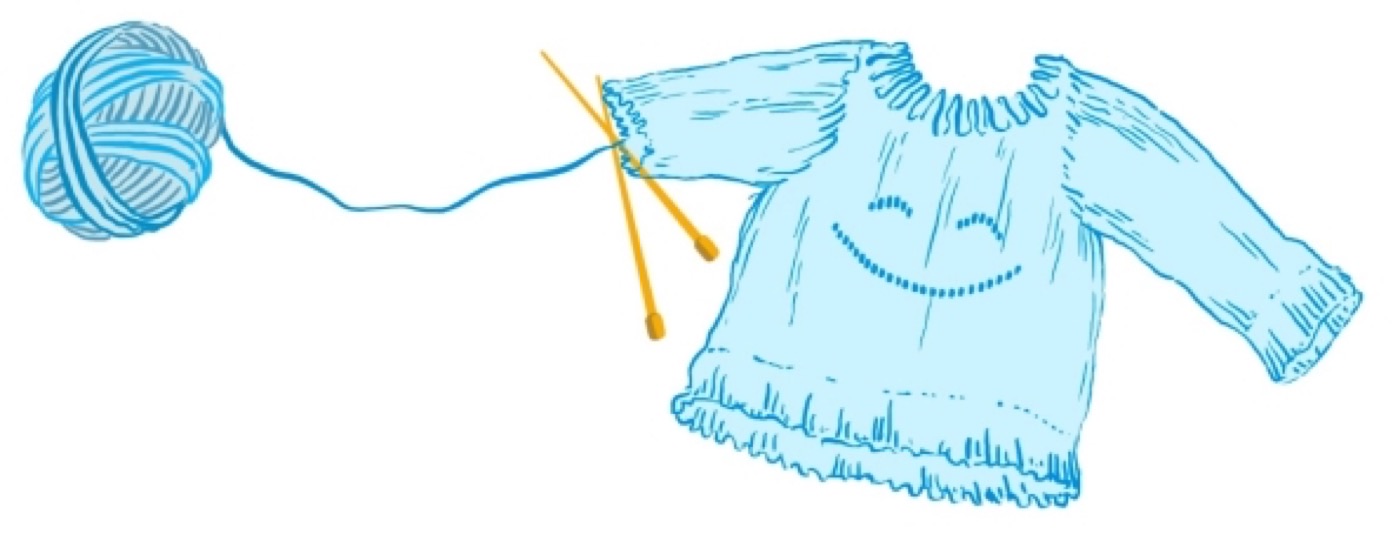
There’s nothing in this rug that is not already present in the yarn!
This can be extended all the way back to Existence itself, sat, or Brahman. We strongly recommend that you read the pages on Brahman and Sat before tackling this page any further.
Parinamavada says that the manifest world - i.e. the entirety of the Universe - is a real transformation of the original material cause - i.e. Existence. In this conception, Iswara or Bhagavan as the material cause is the stuff out of which the Universe is made, and Iswara or Bhagavan as the efficient cause shapes Himself into the Universe.
Iswara is the material as well as the efficient cause. Iswara is the cosmic weaver who stitches the rug of the world using His own body as the wool.
In this theory, Brahman, the First Cause, transforms itself into this Universe; the Universe is a real transformation of Brahman.
Now let us come to Advaita Vedanta. What is Advaita’s conception of causality? Can Brahman transform itself into the Universe?
Go back to our page on Brahman. In Advaita Vedanta, Brahman or Absolute Reality is nirguna - beyond attributes or properties. How can something that is attribute-less change?
How can there be any change in pure Existence? Any change presupposes Existence (the change exists), and that Existence itself is Brahman. Or think of it this way. Any change will have to be witnessed by Consciousness; and that Consciousness itself is Brahman. Where, then, is change happening? It cannot be in Brahman, as we have just seen. And it cannot be outside Brahman, since Brahman is Existence itself - It is all there is.
Are you with us so far?
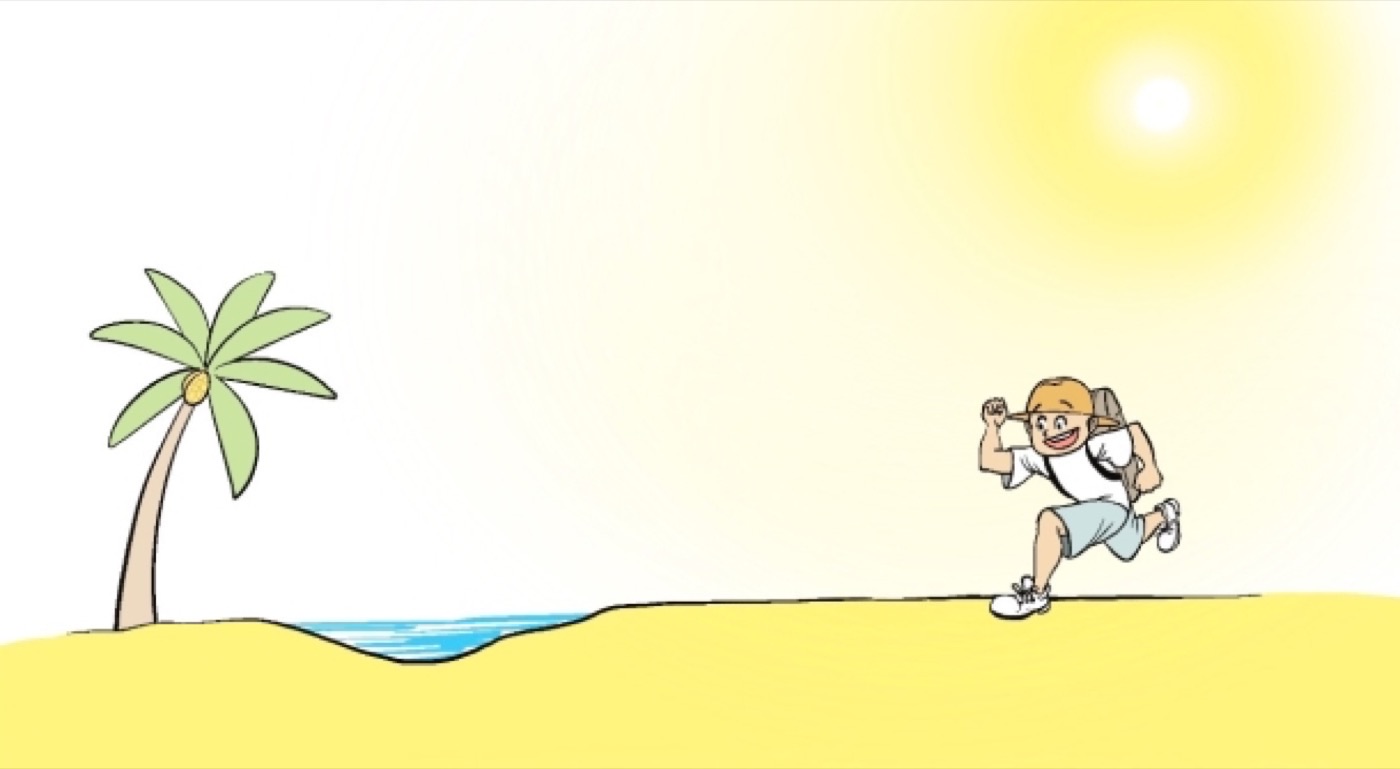
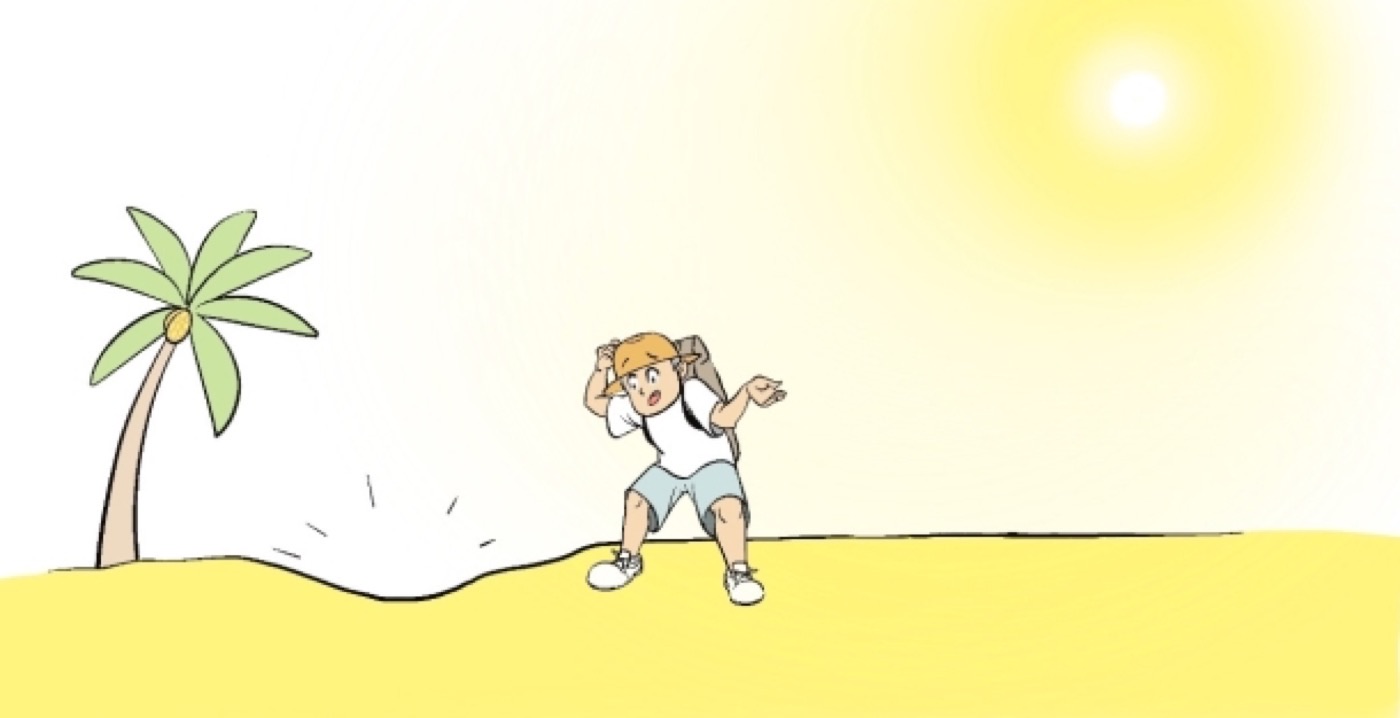
This brings us to the theory of change in Advaita Vedanta, which is called vivartavada. In this, the effect is the apparent change in the material cause, not a real change. The effect appears, but the effect does not have reality of its own. Thus, in vivartavada, Brahman appears as the World, but Brahman does not actually change into the world. Brahman remains as It is, forever beyond change.
Tying the threads together
Causality in Advaita Vedanta is better described as ‘apparent causality’. Creation, change, destruction appear but are not real. The World appears - like a magic show, like a mirage - but if you examine it closely you find it to be nothing but Brahman itself, nothing but Pure Existence itself.
Causality appears in the world of appearance, it is a fact in the vyavaharika world - the world that we inhabit, and we live by taking causality as a fact. At the level of vyavaharika reality, we say that Iswara wields the power of Maya to project the world.
But our real self - which is one with Sat or Reality itself - is beyond causality. From an ultimate perspective - at the paramarthika level - causality is unreal, there is no karana, no karya; only Brahman.
Reflect on this
We said earlier that the Vedantic idea of causality, that the effect is completely present in the cause, flows naturally from one of Vedanta’s foundational principles - something cannot come out of nothing.
This is most powerfully laid out in the Bhagavad Gita (verse 2.16)-
नासतो विद्यते भावो नाभावो विद्यते सत: |
उभयोरपि दृष्टोऽन्तस्त्वनयोस्तत्त्वदर्शिभि:
nāsato vidyate bhāvo nābhāvo vidyate sataḥ
ubhayorapi dṛiṣhṭo ’nta stvanayos tattva-darśhibhiḥ
The unreal has no being, the real has no non-being.
But the nature of both of these, indeed, has been realized by the seers of Truth[1].
Can you see how this principle leads to the Vedantic theory of causality? Also, can you see how, by following this principle closely, we end up with the Advaitic concept of vivartavada?